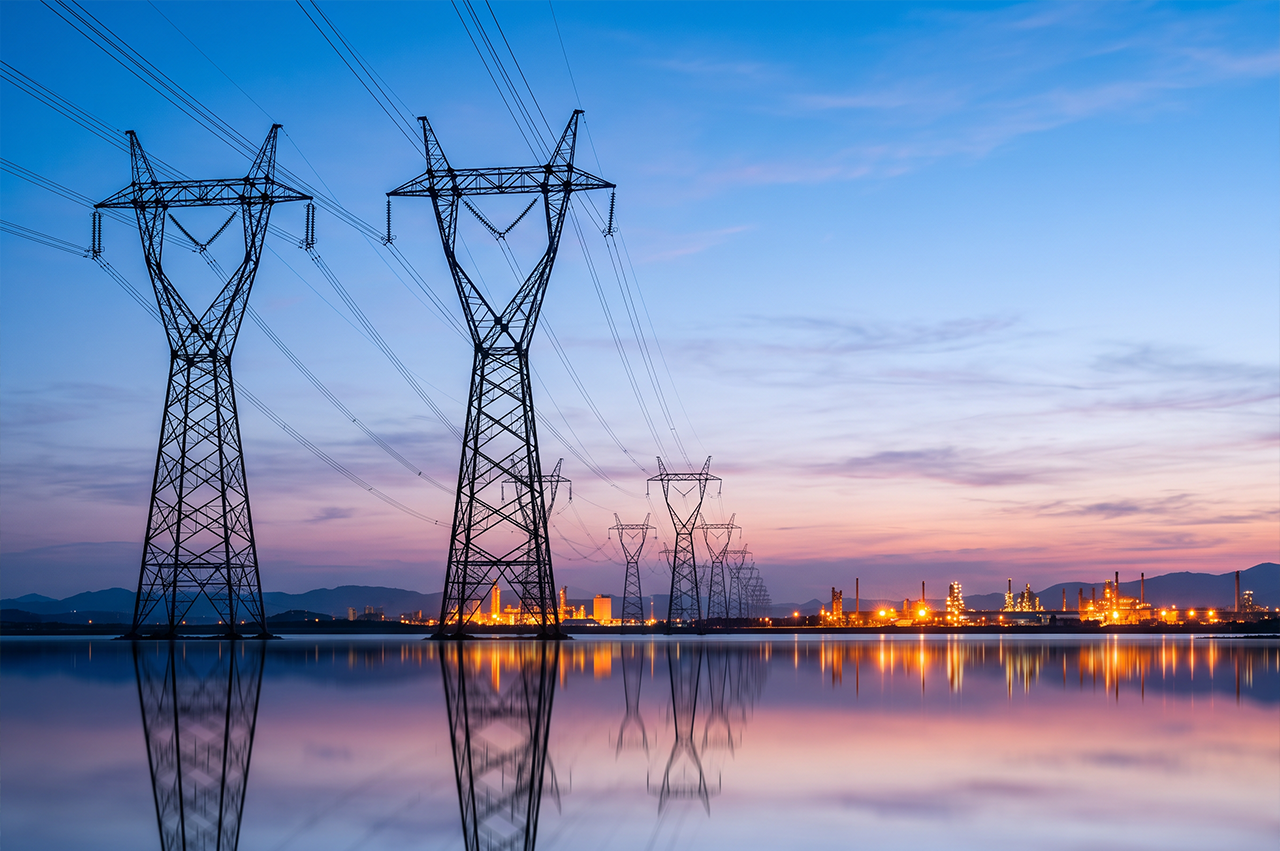
Currently, national-level infrastructure projects such as power transmission and distribution, transportation hubs, and large-scale thermal power plants are being implemented intensively in Southeast Asia. As the core carrier of energy transmission, power cables face differentiated technical requirements for insulation, sheathing, shielding, and armor structures based on different operating conditions and business models. Cable selection for engineering projects needs to be comprehensively determined based on the dielectric environment, load characteristics, and fire protection regulations.
The main grid projects are categorized into two scenarios: urban and rural distribution networks, and megawatt-scale power stations. Rural electrification and municipal road lighting low-voltage distribution systems often utilize ABC bundled overhead cables and 0.6/1kV YJV cross-linked polyethylene cables. XLPE insulation has low dielectric loss and excellent bending performance during laying, suitable for distributed low-voltage loads. For standalone megawatt-scale thermal power bases and combined cycle power stations, which operate in high-temperature, heavy-load, enclosed environments, high-voltage shielded cables of 8.7/10kV and above are required for the outgoing lines of the main transformer. The dual-layer structure of conductor shielding + insulation shielding balances the electric field, withstands long-term continuous operation at 90°C, and a water-blocking buffer layer prevents condensation from entering the machine room, avoiding water tree aging and insulation breakdown.
Rail transit and airport tunnels belong to enclosed high-risk fire scenarios. According to IEC 60332 and IEC 60754 standards, LSZH (Low Smoke Zero Halogen) flame-retardant and fire-resistant cables are mandatory. ZR-type cables can suppress the vertical spread of flames, while NH fire-resistant cables can maintain power supply for 90 minutes under an open flame at 950°C, ensuring the continuous operation of smoke exhaust fans, emergency evacuation lighting, and fire pumps. For directly buried sections of tunnels, steel tape armored YJV22 cables are provided to resist ground compression and rodent damage. For underground utility tunnels, an anti-termite outer sheath made of modified PVC is added.
Coastal ports and cross-sea power transmission projects are at high risk of salt spray corrosion, and ordinary PVC sheathed cables are prone to stress cracking. The standard engineering solution is an aluminum-plastic composite longitudinal water-blocking structure cable, with an outer sheath made of weather-resistant chlorinated polyethylene (CPE) material, capable of withstanding 5000 hours of neutral salt spray testing. Offshore energy supporting projects require customized submarine power cables, with multi-layer steel wire armor and lead sheath water-blocking structure to isolate seawater infiltration.
In tropical regions, where high temperatures and high UV levels persist throughout the year, the aging rate of cables is 1.8 times that of temperate zones. For public construction projects, it is necessary to verify UV anti-aging and damp heat cycle accelerated aging test reports before mobilization. General-purpose standard cables are rejected for direct outdoor long-term laying, thereby reducing the probability of insulation layer cracking and partial discharge failures from the source.