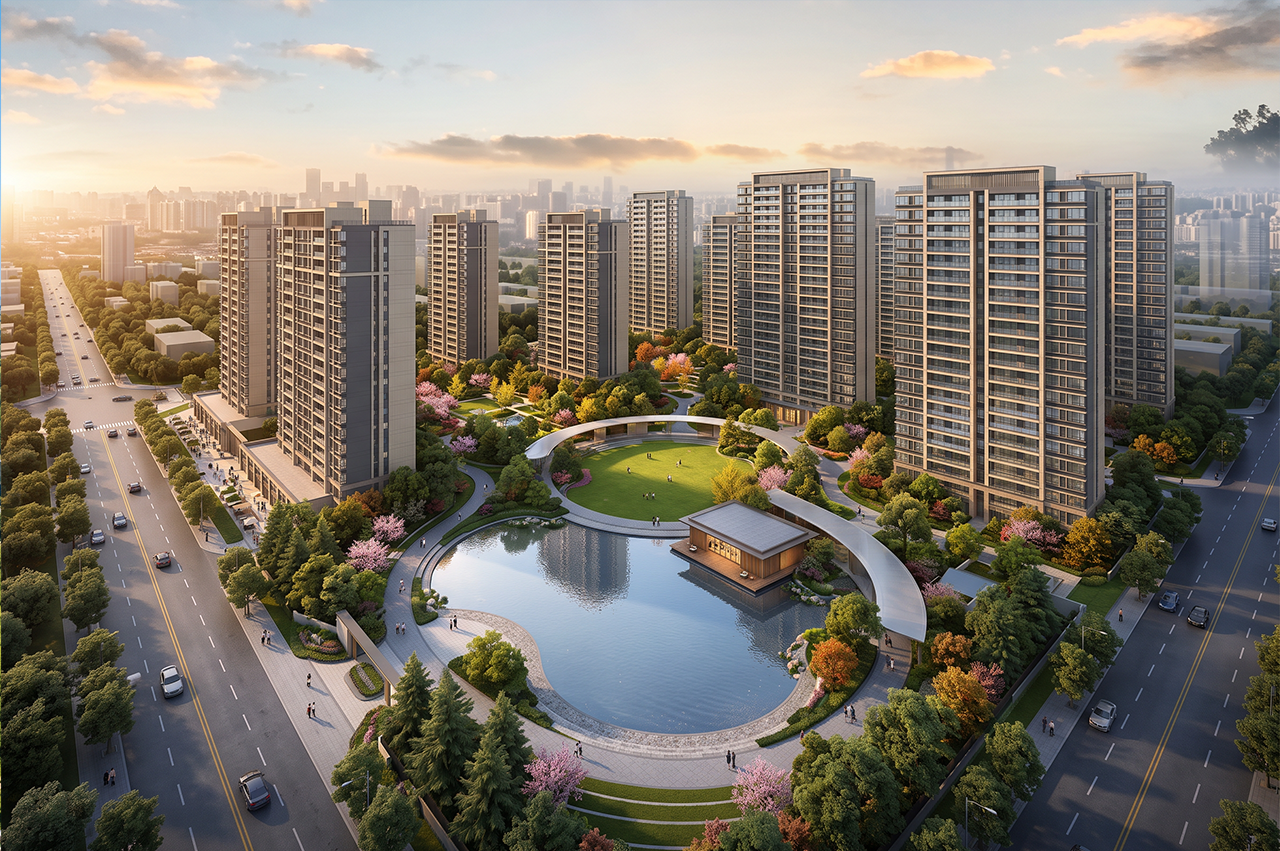
As urbanization in Southeast Asia continues to advance, large-scale commercial and residential complexes, industrial new towns, and high-end residential clusters are being constructed simultaneously. Data from building electrical system fault tracing shows that over 72% of line safety hazards stem from mismatches in cable specifications, materials, and protection levels. Given the tropical environment characterized by high humidity, high salt content, and strong sunlight, there are clear mandatory technical thresholds for civil building cables.
Construction power distribution cables are categorized into three types based on usage scenarios: indoor wiring, public power trunk lines, and dedicated fire protection circuits. Indoor fixed wiring employs BV single-core hard copper conductors, with insulation thickness meeting low-voltage insulation and voltage withstand requirements. For high-rise residential buildings and commercial complexes, YJV multi-core cross-linked cables are selected for three-phase power trunk lines, with conductor current-carrying capacity redundancy reserved at over 20%, suitable for central air conditioning, escalators, and concentrated loads in underground garages. Directly buried lines in underground garages and outdoor trays must utilize double steel tape armored YJV22 cables to isolate against soil moisture and mechanical external force damage.
Fire protection circuit cables adhere to the strictest standards. For high-rise buildings, fire pumps, elevators, and emergency lighting circuits must be independently laid with LSZH (Low Smoke Zero Halogen) fire-resistant cables. Conventional PVC cables emit hydrogen chloride, a corrosive and toxic gas, during combustion, posing a high risk of asphyxiation in confined spaces. LSZH cables exhibit a light transmittance of ≥60% during combustion, with no halogen emissions. Their fire-resistant layer is composed of mica tape composite coating, ensuring power supply to escape routes even under open flames.
There are two core modification requirements for tropical climates: Firstly, the outdoor exposed cable conductors should be made of tinned copper. Salt and moisture in the air can easily cause copper conductors to oxidize, resulting in contact resistance. The tinned layer stabilizes the conductivity and extends the service life of the line. Secondly, UV absorbers should be added to the outer sheath. Cables laid on roofs and outdoor trays are exposed to long-term sunlight, and ordinary PVC sheaths may crack and pose a risk of electric leakage after 3 to 5 years.
Cable materials account for only 1% to 2% of the total construction cost, but inferior cables can increase the operation and maintenance costs of the building throughout its entire lifecycle by 45%. Leading real estate development systems have established a comprehensive inspection mechanism for incoming cables, conducting insulation resistance, power frequency voltage withstand, flame retardant, and weather resistance accelerated aging tests. Unqualified batches are strictly prohibited from entering the construction site. By controlling materials at the front end, long-term safety risks such as line short circuits and electrical fires are reduced.